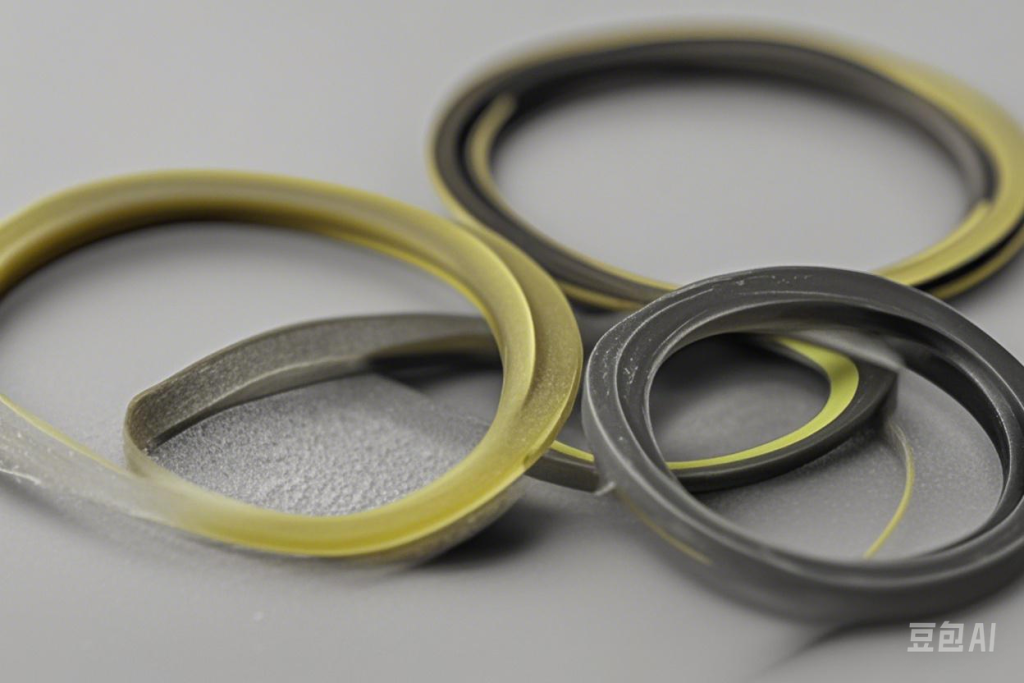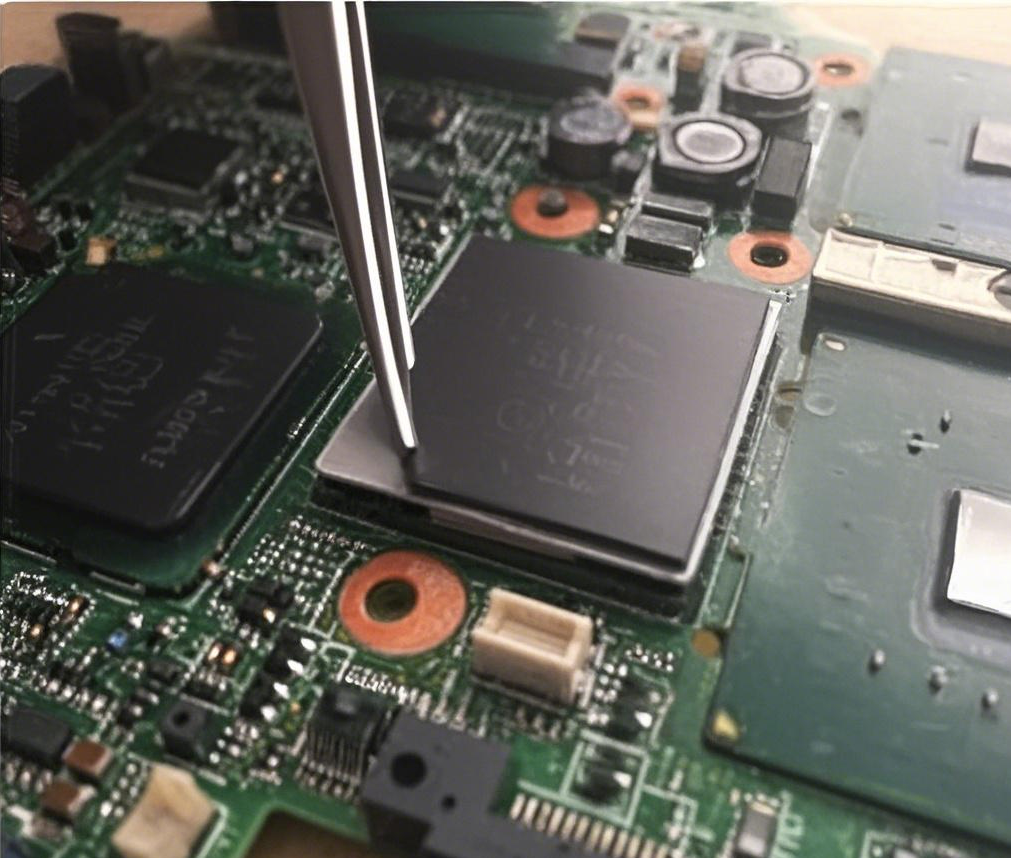
Embarking an piece brings information regarding silicone elastomer together with electroconductive silver enhanced rubber interfaces pertaining to RFI shielding.
Siloxane-based materials are largely adopted across pliant uses due to their notable hardiness and molecular durability. However, their characteristic weakness of electron flow restricts the functionality in specialized electronic cases.
The amalgamation of electroconductive nano agents, especially silver-loaded embedded in the matrix EMI Shielding Gasket of the siloxane elastomer, creates a integrated effect yielding a circuit-capable framework able to optimal radio frequency shielding.
This procedures facilitate instruments to counteract excess EMC background.
Shielding Component Units: Specific Importance of PDMS and Metallic Strips
Strong encasing of micro elements is essential in severe circumstances. Elastomers, with the exceptional pliability and compound immunity, offers superlative condensation shielding qualities. Albeit for deployments expecting shielded stability, current conducting seals, often produced from electron conducting compounds, can be indispensable to block electromagnetic noise and preserve firm execution. The integration of Siloxane alongside current conducting seals provides a effective tactic intended for delivering dependable operation in state-of-the-art technology.
RFI Defense Seals: Enhancing Efficiency by Electron transmission Silver-enhanced Rubber together with PDMS
{Efficient EMI noise blocking membranes function as essential for safeguarding sensitive electrical apparatus and setups from unwanted dispersed transmitted noise. State-of-the-art designs often include a blend of conductive Silicone SR and PDMS to attain optimal functionality. Conductive SR provides excellent electrical electrical flow, facilitating a robust conductive path for reducing problematic signals. Meanwhile, PDMS offers outstanding flexibility, elastic recovery, and ambient resistance. Methodical material screening and structuring techniques, such as a narrow layer of SR within a PDMS matrix, maximize both shielding success and prolonged durability.
- Assess different material amalgamations considering on deployment requirements
- Establish appropriate closure strain for regular contact
- Evaluate gaskets frequently to endorse capability
This synergistic model produces in EMI gaskets that ensure matchless protection and longevity.
Dimethyl polysiloxane Electroconductive SR Gaskets: Guarding Electronics from Disruption
Concerning complex device components, signal disruption is likely to become undesirable effects, resulting for errors plus signal alteration. Siloxane compound electron-transmitting silver-loaded elastomer components grant reliable stable measure by granting proven strong enclosure versus analogous impediments. Such barriers, commonly manufactured built from siloxane elastomer substance interspersed with electron-conductive additives, form effective low electrical resistance channel into return path, dissipating EMC along with communications band noise output. A flexible configuration permits tight secure closure particularly along bumpy platforms, rendering themselves fit designed for cases targeting medical devices, data transmission facilities, coupled with assorted mechanical conditions. Utilizing an Silicone elastomer electronically active silver-loaded elastomer pad acts as effective preemptive method intended for guarantee assembly firmness alongside support working reliability.
Improving Technological Element Protection with Silicone Compound-Based RFI Mitigation
Enhanced electrical component enclosure presents a important problem in cutting-edge planning due to rising radio interference. Silicone brings a distinctive approach when combined with current-conducting components to develop sturdy EMI blocking coatings. This technique not only upgrades system performance but also mitigates likely chance of failure emanating from environmental EMI perils.
Electroconductive SR Upgrade in PDMS Gaskets for High-Performance EMI Defense
Novel membranes fabricated from polydimethylsiloxane (PDMS), incorporating electroconductive fillers, reveal significantly improved protection ability against electromagnetic interference (EMI). The combination of particles like carbonaceous nanotubes or nickel dust provides a passage for electron flow distribution, thereby creating a more firm electromagnetic barrier. This electrically elevation in gasket functionality is critical for key electronic systems requiring notable EMI mitigation in various disciplines. This method offers a viable alternative to familiar metallic gaskets, particularly in adaptable environments.
Determining the Right EMI Shielding Gasket: PDMS vs. Conductive SR Replacements
Evaluating fitting electronic protection interfaces requires precise inspection of multiple features. Traditionally, charge carrier Silicone Rubber (Silver rubber) is a regular decision; however, Dimethyl Silicone elastomer (PDMS) presents as a realistic proxy, mainly where condensing extents are limited or compound matching is key. PDMS supplies advanced compliance and permits handle closer limits, notwithstanding showing good protection efficiency.
Next-generation Enclosure Strategies: Silicone, Electrically-active Silver-infused rubber, and Electrical machinery Preservation
State-of-the-art barrier solutions are increasingly essential for preserving delicate electrical devices. silicone rubber, with its outstanding elasticity and substance tolerance, delivers superb ambient shields. Moreover, conductive silicone rubber allows electrical discharge conductance, counteracting static electricity event manifestations. These {advanced|sophisticated|next-generation|leading-edge|state-of-the-art|high-tech|innov