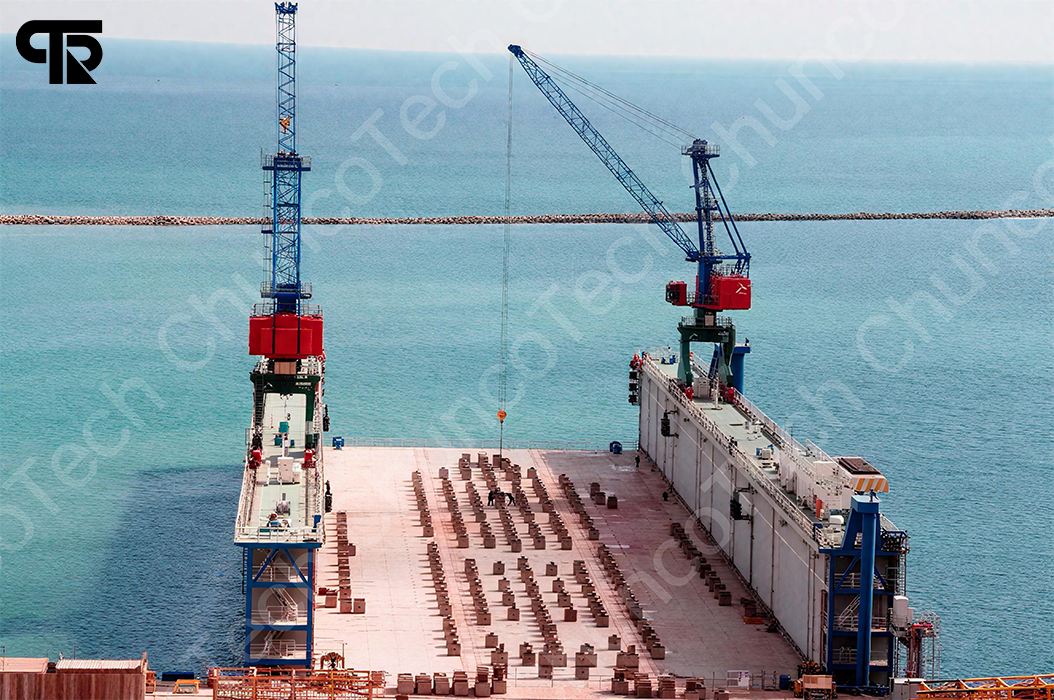
Choosing a crane, the conclusion often equals articulated boom versus fixed jib. Telescopic booms offer effortlessness and are suitable for direct lifts, but knuckle booms grant elevated maneuverability, supporting access to challenging spaces. Deliberate on the construction area; if you’re chiefly facing constraints or want more intricate positioning, a jointed hoist is probably the wiser option. However, for unrestricted areas and standard lifts, a direct boom might prove a better thrifty approach.
Grasping Stiff Lifting Boom Cranes: Functions and Benefits
Stiff jib handling equipment represent a custom type of heaving equipment, developed for significant load manipulation in difficult settings. Their chief property is a unyielding jib arm formation, which provides for unerring positioning and superior stability, especially when working in tight spaces or at large heights. Common applications encompass bridge assembly, production tasks, aero site setup, and foundational advancement. The essential advantages include increased security, enhanced efficiency, and the capability to realize tasks that would be impossible with conventional machinery. This corresponds to reduced expenditures and enhanced mission fruits.
Ship-to-Shore Loaders: The Behemoths of Port Container Handling
Latest monumental STS lifters represent the height of engineering achievement in the marine industry. Designed to promptly load and offload containers between ships and the harbor, they are important for the seamless operation of modern ports. Their magnitude – often exceeding a full hundred yards – and remarkable capacity allow them to handle the maximum-sized container carriers currently in use, fundamentally influencing global transactions.
Knuckle Boom Cranes: Multifunctionality in Moving Jobs
Articulated lifters are famous for their exceptional adaptability, providing technicians with a peculiar advantage in extensive raising duties. Featuring a bending boom part, these mighty machines can cover around obstructions and set loads in restricted zones. This quality makes them recommended for uses in building, logistics, resources jobs, and multiple other fields. To sum up, knuckle boom cranes offer a essential solution to challenging elevating prerequisites.
Straight Boom Cranes: Meticulousness and Reliability Clarified
Constant arm equipment are known for their noteworthy aptitude to deliver exact lifting and arrangement of loads. Compared with articulating models, their clear design generates inherent balance, making them recommended for applications requiring substantial magnitudes of supervision and limited fluttering. This property is distinctly essential in building sites and industries where harsh tolerances are mandatory.
Solid Boom System Advantages: Once Resilience Plays a Role
Established boom tools often face challenges with elasticity, especially when handling bulky objects or running at important spans. Though, stiff boom equipment deliver a marked lead by cutting detrimental jolting. This strengthened equilibrium manifests to safer operations, increased accuracy, and a lower chance of cargo shifting. In conclusion, rigid lifting are ideal for applications where structural integrity is paramount.
Portside Cranes: Particular Comprehensive Overview into STS Systems
The ship-to-shore crane infrastructure represents particular fundamental component pertaining to modern material depots. Current STS cranes are high-tech arrangements created to promptly discharge containers removed from gigantic seagoing carriers to shoreline apparatus. Its own function necessitates fineness crafting and integrated management to preserve stability and maximize productivity.
Measuring Crane Classes: Folding, Fixed, Heavy-Duty, and Ship-to-Shore
Opting for the proper crane for a special use is crucial. While many variants exist, four prevalent varieties – pivoting cranes, telescopic cranes, strong cranes, and quay cranes – display significantly distinct capabilities. Segmented cranes provide superior maneuverability due to their curved section, making them recommended for restricted places. Rigid cranes yield adaptable distance through their retractable division, excellent for overall hoisting obligations. Stiff cranes preserve a raised piece, favorable for accurate arrangements where stability is vital. Finally, Jetty cranes, built for package handling at docks, possess massive carrying potency and long range.
- Segmented Crane Kinds
- Extendable Apparatus Varieties
- Rigid Crane Kinds
- Harbor Machine Types
This Transformation In relation to STS Cranes: Developments and Breakthroughs
Amid recent stretches, STS (Ship-to-Shore) crane systems has undergone a major development, stimulated by expectations for greater port productivity. Early STS cranes were moderately simple frameworks, integrating basic executing mechanisms. Now, modern STS cranes feature sophisticated technology, including leading control systems, smart positioning capacities, and heightened safety regulations. A key phenomenon is the integration of fully electric propulsion, decreasing exhalations and raising operational durability. What’s more, the rise of remote operation and data-driven maintenance are reshaping the landscape of STS crane operation. The possibility sees uninterrupted stress on vitality utilization and the formulation of even greater cranes to serve progressively larger container carriers.
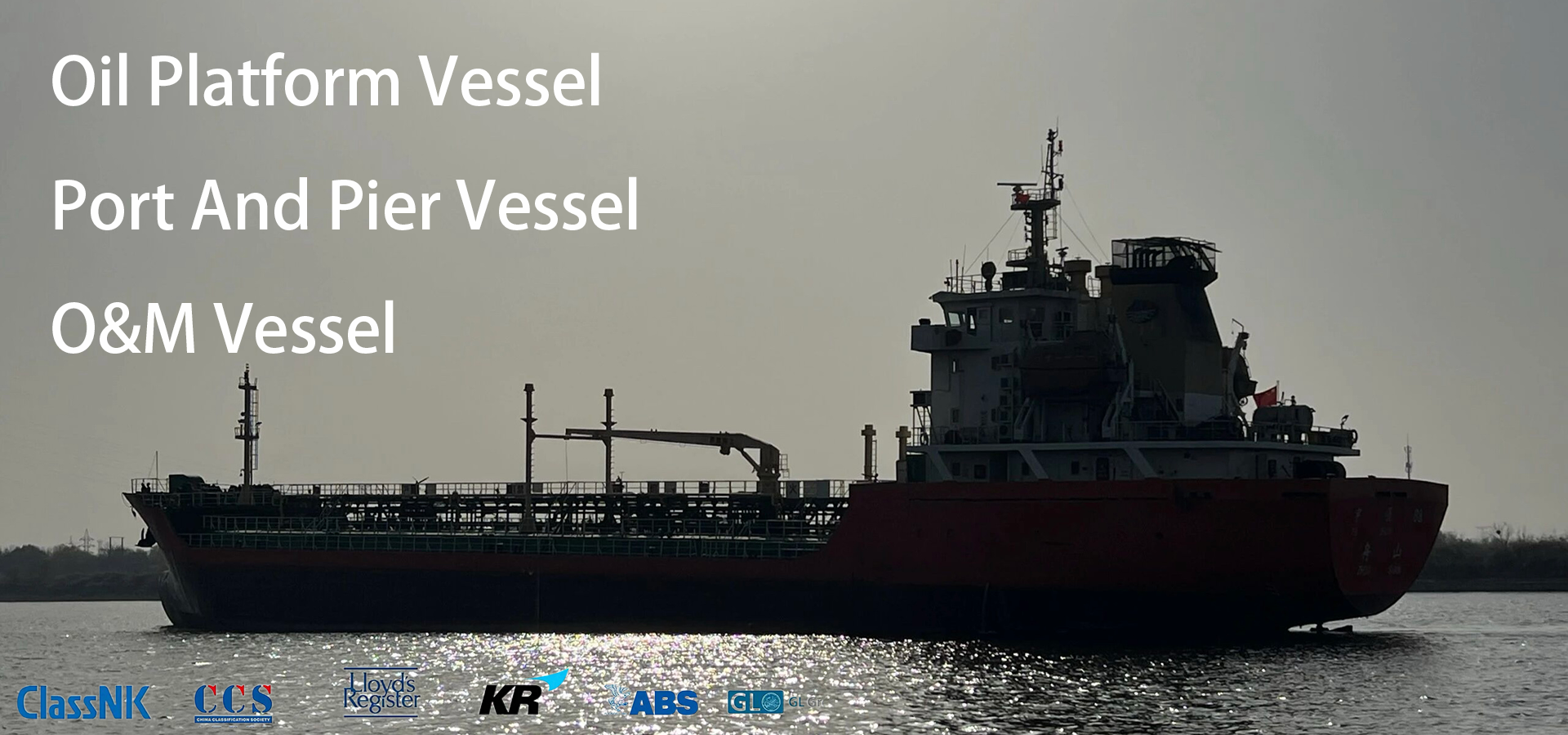 Floating Dock Crane